I’m shocked, shocked to find that gambling is going on in here!

Little surprise to know that AI is being used for evil almost always, in particular among scientists. We have predicted the end of the peer-reviewed system many times for many reasons, but maybe with these news mean we are really approaching the end of an era.

“Scientists reportedly hiding AI text prompts in academic papers to receive positive peer reviews. Research papers found carrying hidden white text giving instructions not to highlight negatives as concern grows over use of large language models for peer review”, according to The Guardian.

Read more here.

Retrato de la mujer en ciencia: pulpos y campos eléctricos

Henar Mateo, investigadora de la Universidad Autónoma de Madrid, ha recibido recientemente una ayuda de la universidad para la realización de una exposición de ilustración de divulgación científica centrada en el trabajo de científicas. Su minucioso trabajo, además de haber paseado en formato físico por distintas sedes, se puede visitar en este portfolio, donde se dan cita en plena horizontalidad científicas de mucha fama y otras de su vida cotidiana como investigadora, entre las que ha seleccionado a algunas compañeras de institución. No solo es una suerte que te junten, aunque sea con fines artísticos, con semejante Dream Team, sino que además me siento particularmente afortunada por haber sido bendecida para ver nuestro trabajo representado a través de uno de mis animales de poder como gallega: el pulpo. O, en este caso, los pulpos.

¡Gracias, Henar!

Algunos trabajos olvidados

La revista Molécula de la Universidad de Castilla La Mancha publica en su número de octubre, en la página 19, un precioso artículo de José Elguero titulado “Algunos trabajos olvidados”. En él, Elguero reflexiona sobre aquellas publicaciones que un científico produce a lo largo de su vida y que, por unas razones u otras, no llegan a tener el recorrido que probablemente merecían. Pero podemos ir incluso un paso más allá: a veces esos artículos desaparecen, casi literalmente, de la faz de la Tierra, por motivos espúreos.

Adelanto algunas frases del artículo que invitan a leerlo:

“Hicimos los experimentos (…). Lo escribimos, lo mandamos a Angewandte y el editor lo rechazó diciendo que Angewandte no publica resultados negativos (!).”

“Eso me recuerda a una frase de “El hombre que mató a Liberty Valence” (John Ford, 1962): Esto es el Oeste, señor. Cuando la leyenda se convierte en realidad, hay que publicar la leyenda (This is the West, sir. When the legend becomes fact, print the legend). En este tema la batalla entre la verdad y la tradición no está perdida.

“Resulta que varios autores han observado el mismo comportamiento y lo han “cripto­publicado”, es decir, escondido en el manuscrito. Así que decidimos publicarlo de una manera escandalosa (…) con la esperanza de suscitar una discusión, pero, ay qué dolor, este trabajo solo ha sido citado dos veces y ambas por nosotros.”

Seguro que más de uno ha vivido experiencias similares pero, como es bien sabido, rara vez las historias sin final feliz tienen éxito en el complejo mercado de la ciencia.

Se puede leer el artículo completo aquí.
Back to conferences in 2022

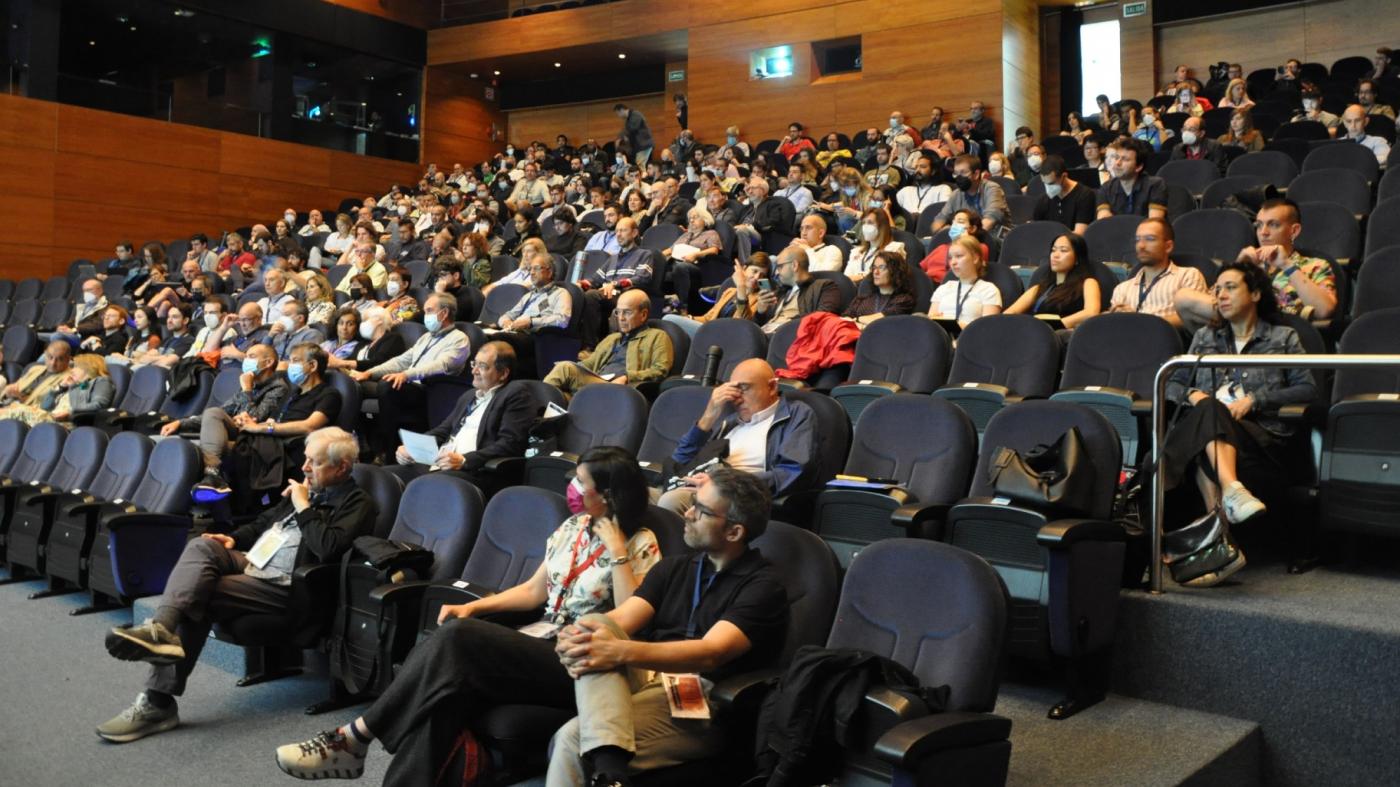
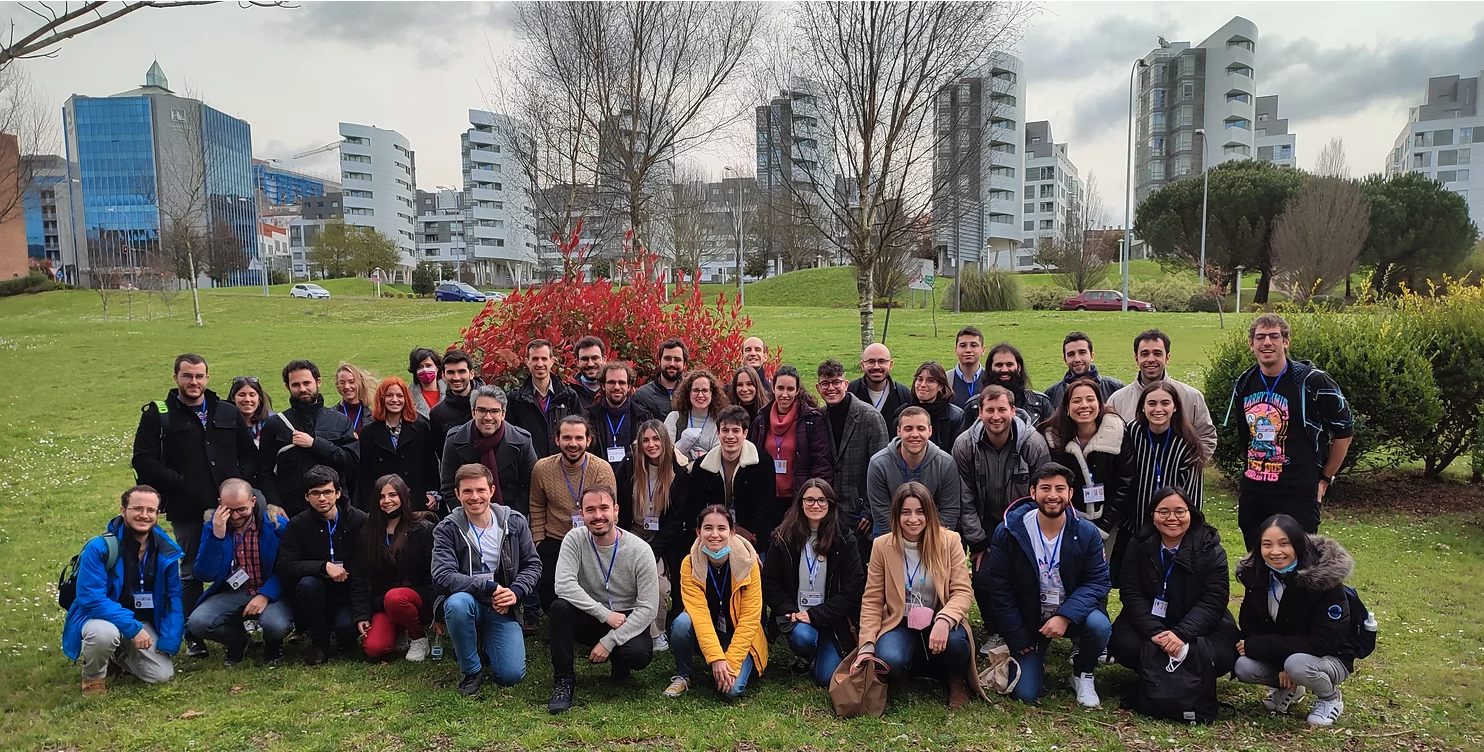
While enjoying this year 2022 an ARPU mobility grant from the Spanish Goverment to develop a research project at the Universidade de Vigo with Marcos Mandado, I had the opportunity to attend a few meetings (all of them in Galicia) for the first time since the COVID-19 global pandemic started: the XII Jornadas de Jóvenes Investigadores en Física Atómica y Molecular (Santiago de Compostela), the TCCM workshop -where I was also the chairwoman of one of the sessions- and the Electronic Structure: Principles and Applications (ESPA) 2022 conference, where I had the pleasure to be part of the Local Organizing Comittee.

I guess we are all coming back to (scientific) life, somehow, after two years of online teaching and spending time outdoors with friends in the coldest winter!

Unequal effects of the COVID-19 pandemic on scientists

Each scientist has experienced different circumstances during this pandemic (the end of which is not clear at all).

Meanwhile, scientists study how scientists are affected by COVID-19:

COVID-19 has not affected all scientists equally. A survey of principal investigators indicates that female scientists, those in the ‘bench sciences’ and, especially, scientists with young children experienced a substantial decline in time devoted to research. This could have important short- and longer-term effects on their careers, which institution leaders and funders need to address carefully.” Read more on Nature

ESCB2 in Oviedo

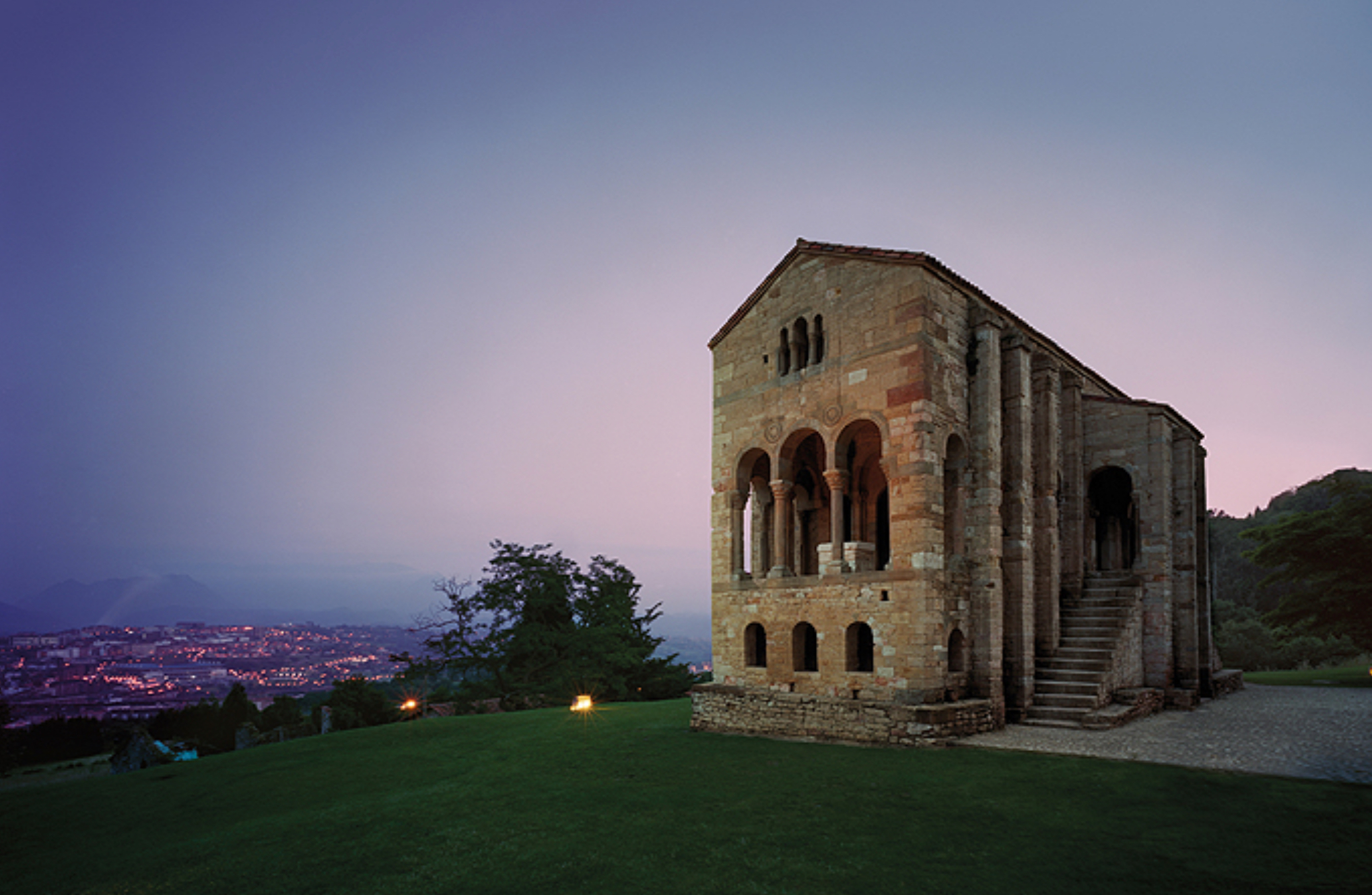
After a very nice first contact with the chemical bonding community in Aachen, Germany in September 2017, I decided to attend the ESCB2 (Second European Symposium on Chemical Bonding) in Oviedo. The meeting will take place from September 3rd to 7th, but there will be a practical school on quantum chemical topology tools in chemical bonding just before the beginning of the conference. The programme has all the ingredients to give the audience what expected for a conference of this kind: bonding, bonding and more bonding… but some asturian sidra as well, I hope!

I will present some recent works related to alkaline-earth one electron-three center bonds, which are key for the ability of some derivatives to present electron affinities among the largest reported for neutral closed shell systems.

See you in Oviedo!


ESPA 2018 in Toledo

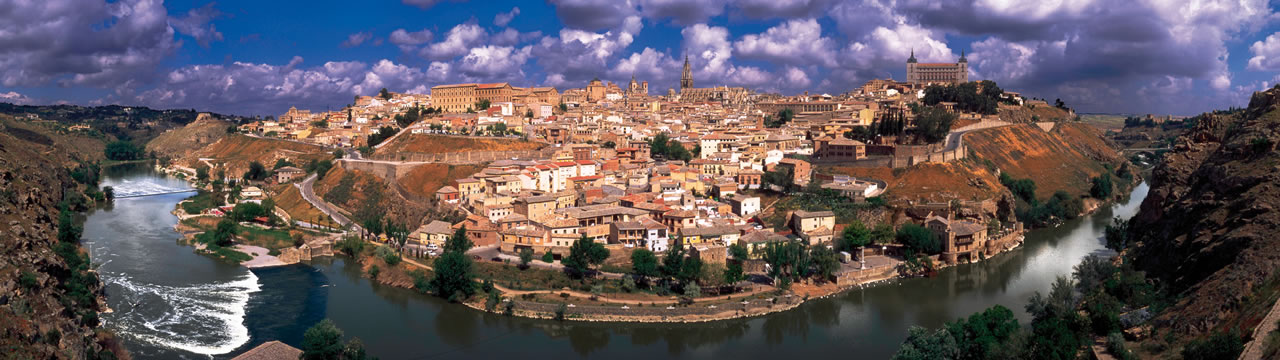
I am attending the next Electronic Structure: Principles and Applications conference to be held in Toledo, Spain, from 17 to 19 July 2018. In this occasion, I will present some of the results I obtained while working on boron-beryllium interactions with Dr Ibon Alkorta and Dr José Elguero at the Instituto de Química Médica (IQM-CSIC).

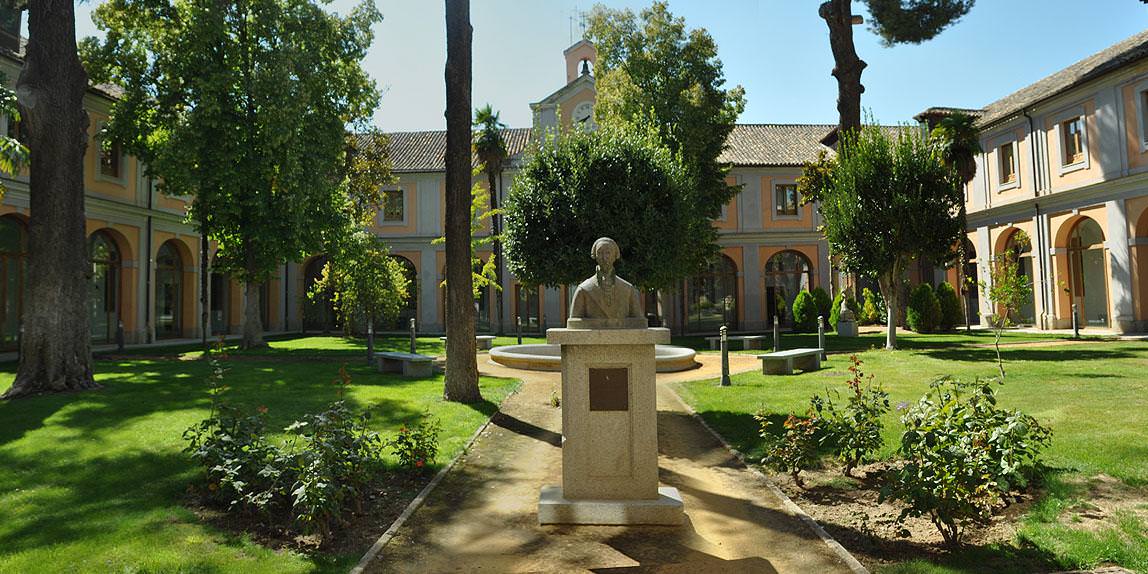
The venue of ESPA 2018 is a very special place: the Real Fábrica de Armas. I am also attending a special symposium in honour of Professors Otilia Mó and Manuel Yáñez from the Universidad Autónoma de Madrid, that will take place on Monday 16th at the same place.

See you in Toledo this summer!

Toledo

UCLM_Fabr_Armas

Unusual Chemical Bonding Challenge

I like very much this initiative prepared by Eduard Matito,
Ferran Feixas and Henry Rzepa for the next CB2017 Conference in Aachen, September 2017. This is how the Unusual Chemical Bonding Challenge works:

http://cb2017.rwth-aachen.de/ChemBond_files/chembondslam.pdf

The challenge is already available online on the wiki website:

http://dipc.ehu.es/bondslam/index.php/Main_Page

From the wiki website slides can be downloaded and you can also interact with “unusual bonds” proposed by other researchers. Everyone is invited to participate in this challenge; the deadline is August 31th to be discussed during the CB2017 conference. The Organizers say that “even if you’ll not come to the conference you
can perfectly contribute to the challenge on-line only. Your contribution
will be briefly presented by the chairmen of the session during the
conference.”  Enjoy and participate!